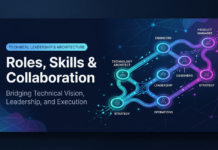
The same pattern extends cleanly from the windmill to the internet, and then from the internet to AI: each wave reduces the cost of a key capability, reorganizes labor around it, and shifts value from raw effort toward coordination, judgment, and creativity.
Internet shift
The internet transformed work by making information, communication, and distribution nearly instant. That changed labor from being mainly about producing and moving physical things to being about managing networks, attention, and knowledge.
Key principles that stayed the same:
- A new tool multiplies human capability.
- The bottleneck moves from force to coordination.
- Work becomes less local and more distributed.
- The best performers use the technology to amplify judgment, not just speed.
Expected transformation:
- More remote and hybrid work.
- More knowledge work and digital services.
- Faster collaboration across distance and time zones.
- More pressure to filter information, because abundance creates overload.
- More fragmented attention, which makes deep work harder and flow more valuable.
AI shift
AI pushes the same logic further by automating parts of cognition, not just physical labor or communication. If the internet provides automated access to information, AI is automating parts of interpretation, drafting, pattern recognition, and decision support.
Key principles that stay the same:
- The tool lowers the cost of a once-scarce function.
- Routine tasks get standardized or automated.
- Human value shifts upward to goals, taste, ethics, and oversight.
- The most rewarding work becomes the work that still requires challenge and meaning.
Expected transformation:
- Many entry-level and routine knowledge tasks will shrink.
- More workers will supervise AI rather than do every step manually.
- Jobs will be split into two layers: automated production and human review/strategy.
- Creative and strategic roles will matter more, but they will also be expected to move faster.
- People will need to define problems better, not just solve them.
- The risk of alienation may rise if work becomes too detached from visible human effort.
Same pattern across eras
Across windmill, steam engine, electricity, internet, and AI, the repeating pattern is this:
- A technology expands capacity.
- Work becomes more specialized and more abstract.
- The old skill becomes less valuable on its own.
- New skills rise around control, design, and judgment.
- Society has to decide whether the new system creates more freedom or just faster production.
The deepest projection is that AI will not simply remove work. It will probably change what counts as work. Routine execution will matter less, while framing problems, making judgment calls, building trust, and creating meaning will matter more.
Are you ready to evolve with the new changes?