We have not added much commentary to our reporting from the MIS (management information system) in the 80’s.
What progress have we made over the years?
1990’s – We have made reports web enabled. There are 2 advantages to this format: it is shareable from one trusted source, with fewer copies of the data or forwarded information. The second is the ability to use links. These links also enabled the drill-down of information online, which was previously done using filters in Excel-type files. These drill paths are now predefined for the end user. We can also link to other presentations in the same content, picking up where we left off in the previous report.
“There is an every growing need for people who can interpret the numbers, comments and network the right people together to discuss the findings.”
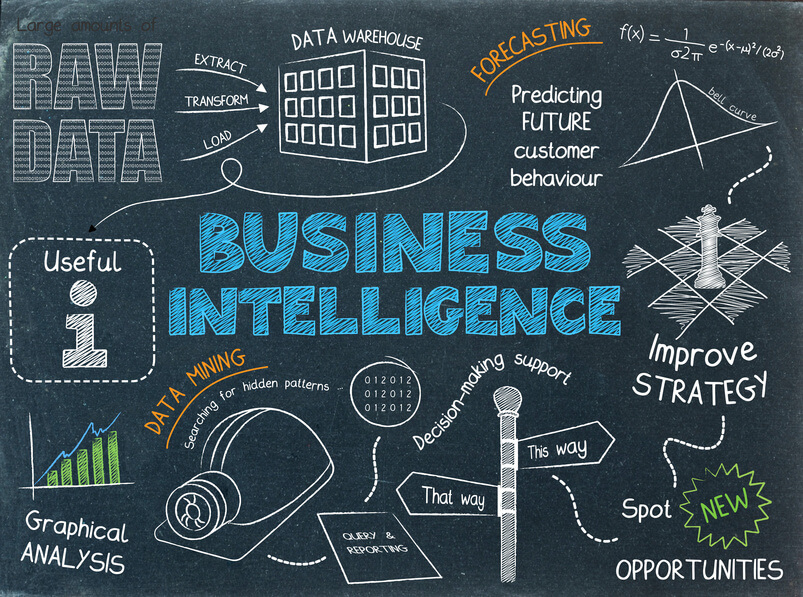
2000’s – Dashboard, Actionable Items, and Collaboration took up most of our efforts. Dashboards have provided a quick fix for the long-standing issue in all Data warehouses: data integration. In the traditional warehouse, we must ETL (Extract, Transform, and Load) the data, and sometimes this is a considerable effort to get the data at the same grain, quality, or keys.
The dashboard can still remain in stovepipes, information-architecture-wise, but display sensible nuggets to the user. This would behave like a bag of popcorn where users can dive in anywhere and still get a morsel to chew on.
We segmented the audience into line workers or consumers, middle management, and executives. We have put all the information in the context of the user who is now logged in and accessing the information. This still does not foster best practices, especially as we move toward the executive level.
Knowledge does not live in documents, and we need to translate these findings to the best minds so they can consider the current workflow and its impacts. We also need to prioritize actions to address the issues or findings.
We have been dash-boarding for years now. The first dashboard was called “print, which makes up newspapers or magazines”. These are the formats that general consumers need to digest the BIG Data and collaborate. There is an ever-growing need for people who can interpret the numbers, comments, and network the right people together to discuss the findings.
Our notion of action-enabled dashboards is still tuned to data mining and root cause analysis. We have alerts, which are great for preventing the organization from falling behind the intended pace, but this still has to translate into innovative action to get the organization to the set destination.
Is Mobile BI the answer to Business Intelligence? What we do know is that the expansion of devices for consumption is only making the environment more complex. Real-time data, combined with Mobile, might be the deadly duo for delivering intelligence to the right person at the right time. This movement might be the driver for Business Intelligence to the next level.
Stephen Choo Quan